
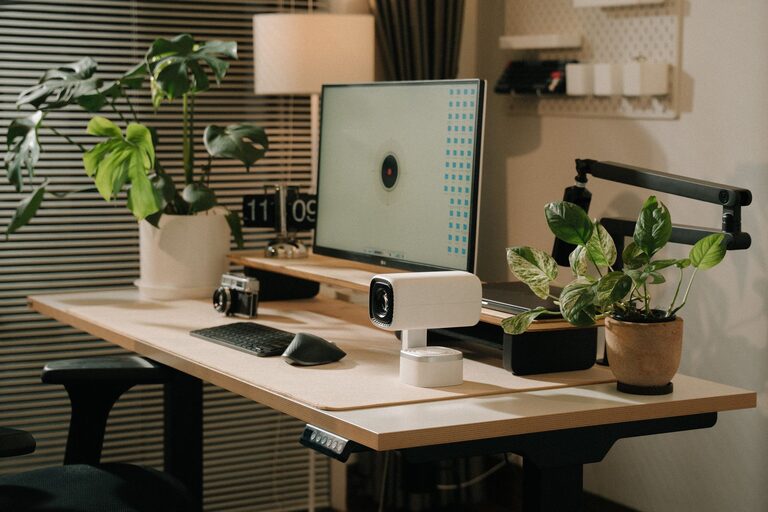
Creating an eco-friendly home office setup is a meaningful way to reduce your environmental impact while improving your work environment. With more people working remotely or spending significant time at home, making sustainable choices in your workspace can contribute to a greener lifestyle. This guide offers practical tips to help you design a home office that is both functional and environmentally responsible.
Benefits of an Eco-Friendly Home Office
Before diving into the setup tips, it’s good to understand why an eco-friendly office matters:
– Energy Savings: Using energy-efficient devices and lighting can lower your electricity consumption.
– Healthier Environment: Natural materials and plants can improve indoor air quality.
– Waste Reduction: Choosing reusable and recyclable products helps minimize landfill waste.
– Cost Efficiency: Sustainable practices often save money in the long run through lower utility bills.
Choosing Your Workspace Location
Maximise Natural Light
Where possible, set up your desk near a window to make the most of natural daylight. This reduces your need for artificial lighting during the day, cutting energy use and providing a more pleasant atmosphere.
Ventilation and Air Quality
Good air circulation is key for comfort and health. Open windows regularly or use air-purifying plants to maintain fresh air and reduce toxins indoors.
Selecting Sustainable Furniture
Opt for Eco-Friendly Materials
Look for desks, chairs, and storage units made from sustainably sourced materials like certified wood, bamboo, or recycled metals and plastics. Avoid furniture made with harmful chemicals or non-recyclable composites.
Buy Used or Upcycled Furniture
Secondhand pieces often come at a lower price and reduce demand for new production. Upcycled furniture adds creativity and uniqueness while promoting waste reduction.
Ergonomics Matter
Sustainability isn’t only about materials but also your comfort and long-term health. Invest in ergonomic chairs and adjustable desks to avoid strain, reducing the need to replace equipment frequently.
Using Energy-Efficient Electronics
Select Energy Star Certified Devices
When purchasing computers, monitors, printers, or other electronics, look for the Energy Star label. These devices meet energy-efficiency standards, cutting power consumption without sacrificing performance.
Use Power Strips and Smart Plugs
Electronics often use energy even when turned off (so-called “phantom power”). Power strips or smart plugs can turn off multiple devices completely when not in use.
Opt for Laptops Over Desktops
Laptops generally consume less electricity than desktop computers. If your work allows, consider switching to a laptop to save energy.
Lighting Choices
Switch to LED Bulbs
LED bulbs use up to 75% less energy than traditional incandescent bulbs and last much longer, reducing waste.
Use Task Lighting
Instead of bright overhead lights, use adjustable desk lamps for focused lighting. This reduces energy use and decreases eye strain.
Reducing Paper and Waste
Embrace Digital Workflows
Try to go paperless as much as possible. Use digital note-taking apps, cloud storage, and electronic documents to eliminate unnecessary printing.
Invest in Recycled and Recyclable Stationery
When you do need paper or office supplies, look for recycled paper, refillable pens, and recyclable products.
Set Up Recycling Bins
Keep separate recycling containers close to your workspace to encourage proper waste sorting.
Decorating with Sustainability in Mind
Incorporate Live Plants
Plants naturally improve air quality and add a calming presence to your office. Choose easy-care varieties that thrive indoors such as pothos, snake plants, or spider plants.
Use Natural Textiles
Rugs, curtains, and cushions made from organic cotton, wool, or hemp are more sustainable options compared to synthetic materials.
Avoid Plastic Whenever Possible
Opt for glass, metal, or wood accessories instead of plastic to reduce exposure to microplastics and support recyclability.
Saving Water and Reducing Energy Waste
Use a Reusable Water Bottle
Keeping a refillable bottle nearby helps reduce single-use plastic waste and encourages hydration.
Maintain Efficient Heating and Cooling
Install programmable thermostats or use energy-saving settings to avoid unnecessary heating or cooling of your workspace.
Final Thoughts
Creating an eco-friendly home office doesn’t require a complete overhaul overnight. Small changes—like switching your light bulbs, choosing sustainable furniture, or reducing paper use—can add up to make a big difference. By focusing on energy efficiency, sustainable materials, and waste reduction, you not only protect the planet but also create a healthier, more pleasant space in which to work.
Start by evaluating your current setup and incorporating these tips gradually. Sustainable living is a journey, and your home office can become an inspiring example of eco-friendly practices in everyday life.