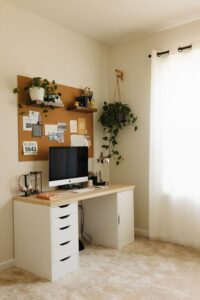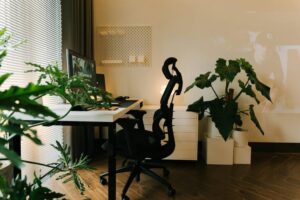
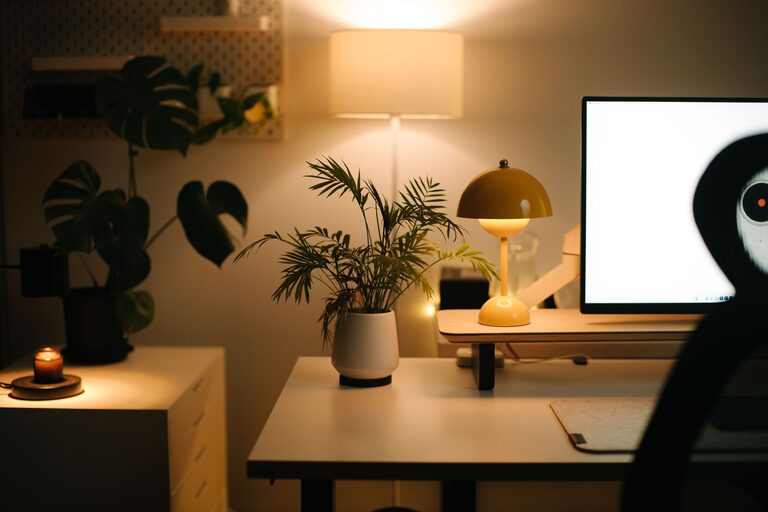
Creating a cozy and productive home office space is more important than ever. Whether you’re working from home full-time or just need a dedicated area for occasional projects, your environment can significantly impact your focus, creativity, and overall well-being. A well-designed home office balances comfort with functionality, making your workday more enjoyable and effective.
In this post, we’ll explore practical tips to help you build an inviting workspace that motivates you and supports your workflow.
1. Choose the Right Location
The first step is selecting the ideal spot for your home office. Here are some factors to consider:
– Natural Light: Position your desk near a window to benefit from natural daylight, which boosts mood and reduces eye strain.
– Quietness: Pick a space away from high-traffic areas to minimize distractions and noise.
– Space: Ensure there’s enough room for your essentials—a desk, chair, storage, and any equipment you need.
– Ventilation: Good airflow improves comfort and alertness. A window or a fan can help keep the air fresh.
If space is limited, consider creative solutions like a fold-away desk or a corner setup.
2. Invest in a Comfortable Chair and Desk
Comfort is key for long hours at your desk. It’s worth investing in ergonomic furniture:
– Ergonomic Chair: Look for adjustable height, lumbar support, and cushioned seating to prevent back pain.
– Desk: Choose a desk with sufficient surface area and adjustable height if possible. Standing desks or sit-stand converters promote movement and reduce fatigue.
Your chair and desk should support good posture, helping avoid discomfort and increasing productivity.
3. Organize Your Workspace Efficiently
Clutter can hinder productivity and add stress. Keep your workspace tidy and organized:
– Storage Solutions: Use shelves, drawers, and organizers to keep documents, stationery, and gadgets neatly arranged.
– Cable Management: Tidy cables using clips, sleeves, or under-desk trays.
– Minimalism: Keep only necessary items on your desk to maintain focus and reduce distractions.
– Daily Reset: Spend a few minutes at the end of each day clearing your workspace for a fresh start tomorrow.
An orderly environment makes it easier to find what you need and keeps your mind clear.
4. Personalize Your Space Thoughtfully
Adding personal touches can make your office feel welcoming and inspire creativity:
– Decor: Choose artwork, photos, or plants that make you feel relaxed and motivated.
– Color Scheme: Soft, neutral colors create a calm atmosphere, while brighter accents can boost energy.
– Lighting: Besides natural light, add task lighting such as desk lamps with adjustable brightness.
– Aromatherapy: A subtle scent from candles or essential oils can improve mood and focus.
Balance personalization with professionalism, especially if you attend video calls from your office.
5. Optimize Technology and Tools
Having the right tools at hand helps maintain a smooth workflow:
– Computer and Accessories: Use a reliable computer, monitor, keyboard, and mouse. Position your monitor at eye level to reduce neck strain.
– Internet Connection: Ensure a stable, fast connection to avoid interruptions.
– Printer/Scanner: Consider all-in-one devices to save space if you need these functions.
– Software: Use productivity apps and organizers to keep track of tasks and deadlines.
Keep your technology updated and your workspace free from unnecessary gadgets.
6. Manage Noise and Distractions
Distraction-free zones help improve concentration:
– Noise-Cancelling Headphones: Great for blocking background noise or listening to focus-enhancing music.
– Soundproofing: Add rugs, curtains, or soft furnishings to absorb noise.
– Set Boundaries: Communicate your work hours to family or roommates to minimise interruptions.
– Break Areas: Designate a separate spot for breaks to mentally separate work from rest.
Creating a quiet environment supports deep work and reduces stress.
7. Incorporate Break and Movement Opportunities
Sitting all day is not ideal for your health or productivity:
– Break Timer: Use reminders to take short breaks every hour.
– Stretching/Yoga: Incorporate simple stretches or yoga poses during breaks.
– Walks: Step outside for fresh air to reset your mind.
– Standing Desk: Alternating between sitting and standing encourages better circulation.
Regular movement keeps your body energized and your mind alert.
8. Maintain Good Air Quality and Temperature
Comfortable air quality and temperature contribute to focus:
– Air Purifier: Helps reduce dust and allergens.
– Plants: Indoor plants improve air quality and add a touch of nature.
– Heating and Cooling: Adjust your thermostat for a comfortable temperature; too hot or too cold can distract you.
Paying attention to your environment’s comfort helps you stay productive all day.
—
Conclusion
Designing a cozy and productive home office space is about balancing comfort, function, and your personal style. By thoughtfully choosing your location, furniture, and organization methods, and by managing your environment and tools well, you create a place where work feels natural and efficient.
Remember, your home office should be a space you enjoy spending time in — because a comfortable and inspiring workspace leads to better focus and results.
Feel free to experiment and adjust as you go, making sure your home office reflects your needs and helps you thrive every workday.